


Wall panels are no longer a niche specification — they have become one of the defining elements of contemporary Indian interior design, appearing in everything from luxury hotel lobbies to private apartments in Bangalore and Mumbai. But with so many panel types, materials and finishes now available, knowing which to choose for a given application requires a clearer understanding of what each product actually offers.
Fluted Wall Panels
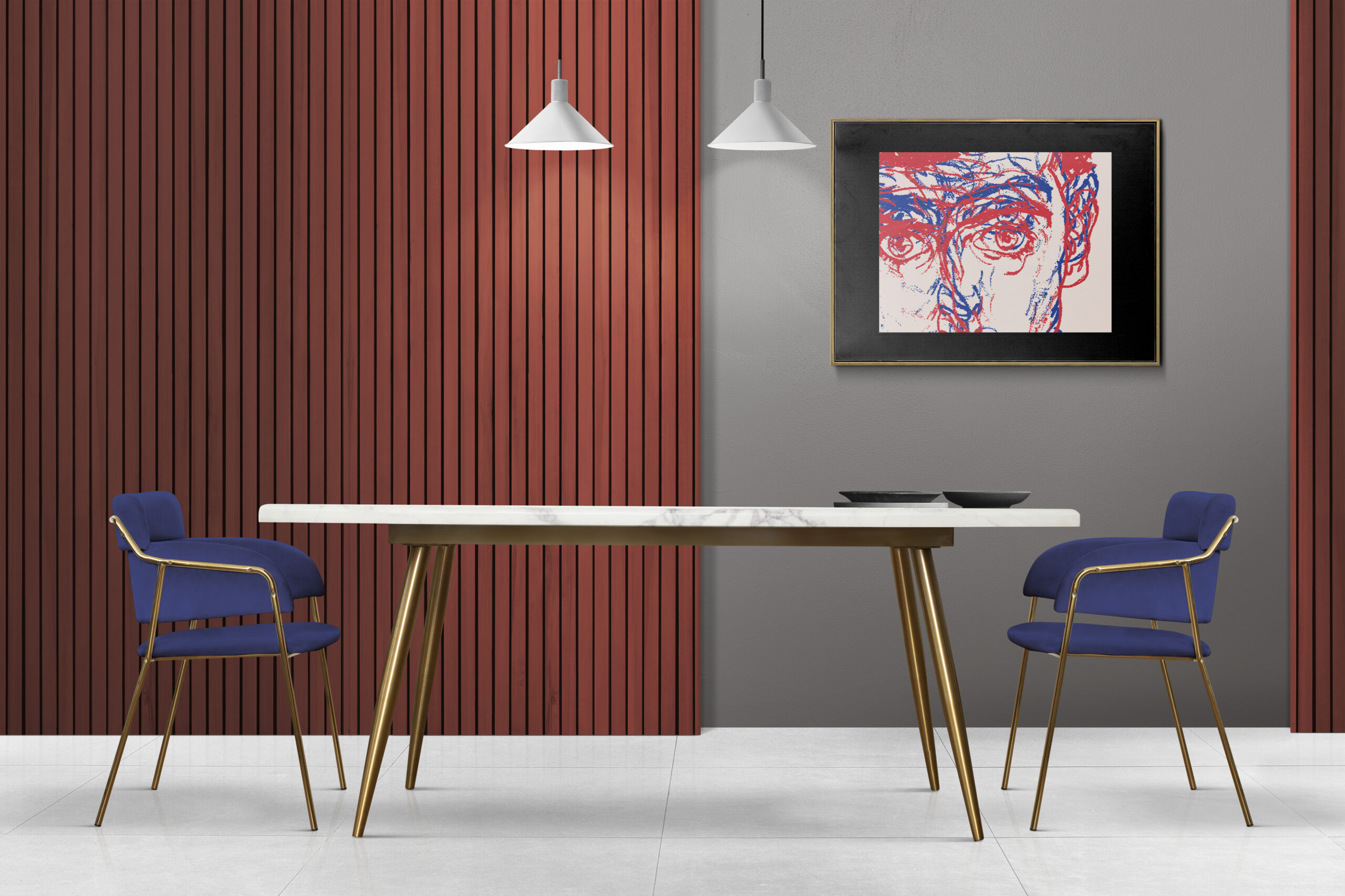
Fluted — or reeded — panels consist of a series of vertical ridges and grooves running the full height of the panel. They create a strong sense of depth, shadow and architectural rhythm on any wall surface. Fluted panels are the dominant wall panel trend of the moment: elegant, versatile and highly effective in both traditional and contemporary interior settings.
Best for: Hotel lobbies, residential living rooms and bedrooms, corporate reception areas, restaurant feature walls.
Materials: WPC (Wood Plastic Composite), MDF with veneer or laminate finish, PVC.
3D Geometric Panels
Three-dimensional geometric panels — featuring raised forms such as hexagons, diamonds, waves or custom sculptural profiles — create a bold visual statement. They work best as accent walls, not full-room applications, where their drama can be appreciated without overwhelming the space.
Best for: Retail feature walls, restaurant and bar interiors, hotel lift lobbies, residential feature walls.
Materials: PVC, gypsum, MDF.
Natural Wood Veneer and Timber-Effect Panels
For interiors seeking genuine warmth and the authenticity of natural materials, solid wood veneer or high-quality timber-effect panels deliver an aesthetic that fluted PVC or geometric MDF cannot match. These panels require careful consideration of humidity levels and substrate preparation.
Best for: Premium residential interiors, high-end hospitality properties, executive boardrooms.
Materials: Engineered timber veneer, high-pressure laminate (HPL) in timber effect.
Acoustic Wall Panels
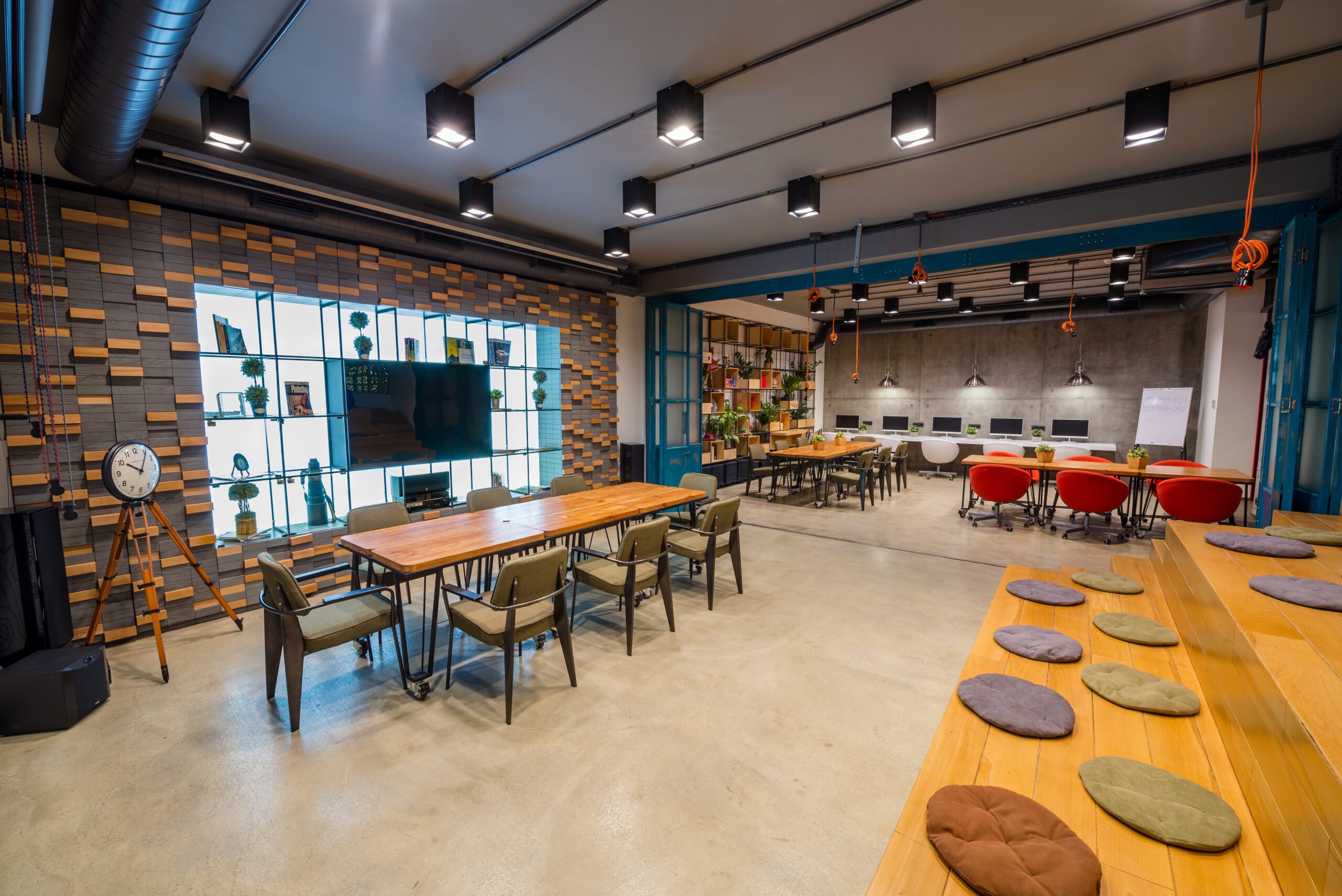
In open-plan offices, restaurants and any environment where noise management is a priority, acoustic wall panels serve a functional purpose as well as an aesthetic one. Typically featuring a fabric-wrapped or perforated surface over an acoustic core, these panels absorb sound and reduce reverberation — improving the comfort and usability of the space.
Best for: Corporate offices, meeting rooms, restaurants, educational environments.